Tests
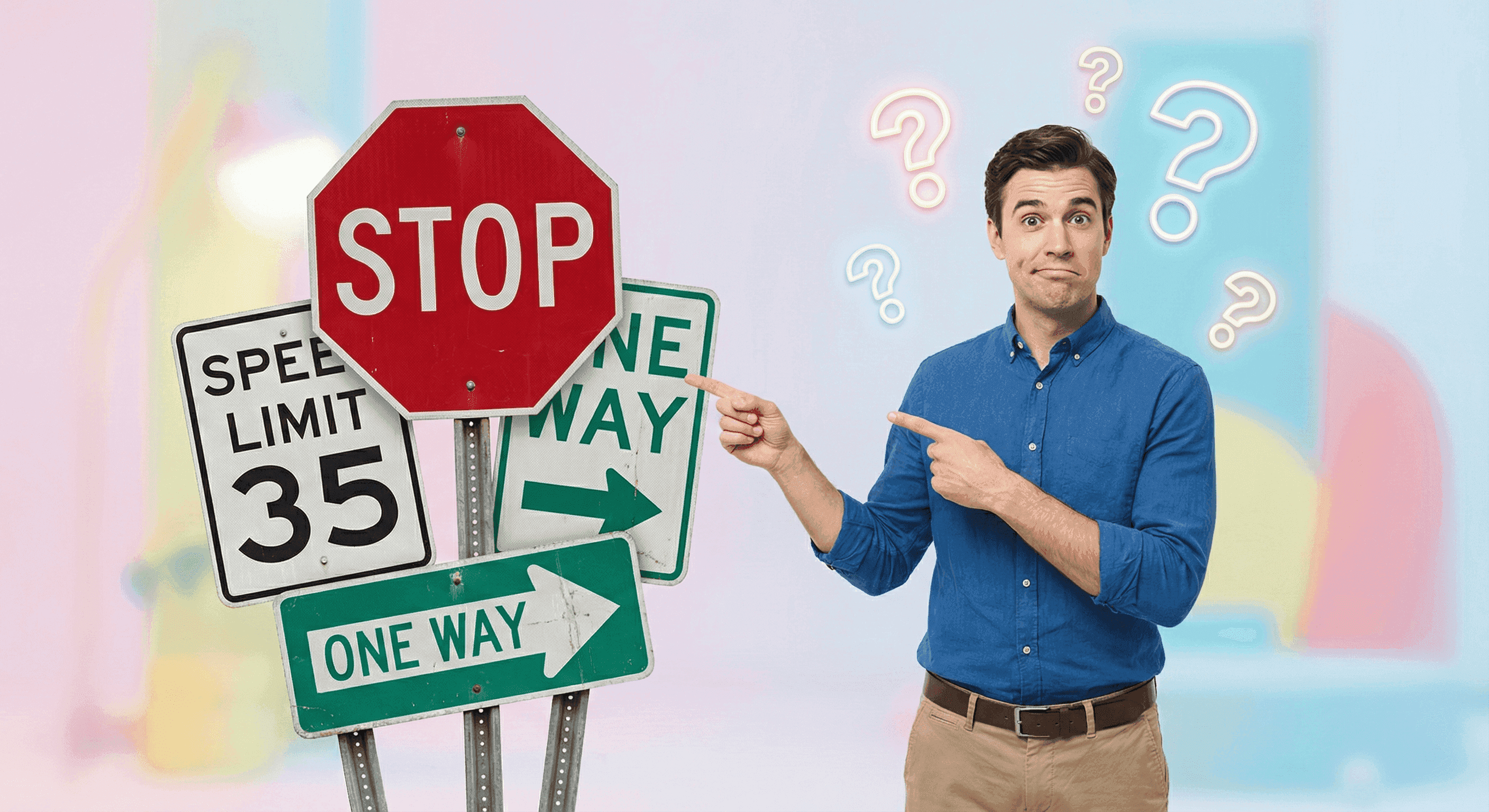
Road Signs — Hard Mode
Identify rare MUTCD sign codes by sight. Can you?
Take The Quiz

Free • No signup • Instant results
About this quiz
Each image hides a simple animal silhouette. Pick what you see.
Welcome to the Color Blind Test, a calm space to notice how you perceive subtle shifts in hue without pressure or clinical claims. Each prompt hides a familiar animal silhouette inside a field of dots, encouraging you to focus on contrast and saturation rather than memorizing numbers. The format is simple on purpose: no timers, no trick wording, just a straight question and a clear reveal. Because nothing is stored or sent, you can play freely, close the page, and start fresh anytime. This quiz is best seen as a personal check-in, not a medical diagnosis; for any concerns, always talk with an eye care professional.
As you move through the images, pay attention to the conditions around you. A bright window, a dim room, or night mode on a phone can change which colors stand out. If a shape pops instantly in one setting but feels hidden in another, jot that down. Designers and photographers often keep notes like these to avoid relying on hues that may blur together for some viewers. If you find certain reds, greens, or blues harder to distinguish, consider how that might influence your own palette choices, accessibility settings, or the way you present information at work.
Try running the quiz a few times in different environments: indoors with warm light, near a window on an overcast day, or on a calibrated monitor if you have one. When you compare your experiences, look for patterns. Does a cool tint blend into its neighbor on one device but separate cleanly on another? Does increasing brightness help or hurt? Use those observations as a practical guide for your daily tasks—whether that is picking UI colors, adjusting photo edits, or choosing clothes that feel balanced to your eyes.
You can also treat the quiz as a design exercise. After finishing a round, imagine how you would tweak an image to make the shape clearer without changing the answer: would you deepen mid-tones, lighten the background, or adjust the dot density? Those small experiments translate directly into better contrast decisions in your own projects. If you share the quiz with friends or teammates, compare which images they found easiest or hardest; it is a quick reminder that what feels “obvious” to you might not be universal.
Above all, let this be a gentle look at your own perception. There are no scores or leaderboards, just a short series of prompts you can revisit anytime. Use it to build awareness of how light, device calibration, and color choices affect what you see. And remember: if you have questions about your vision or want a formal evaluation, an eye care professional is the right next step.
Identify rare MUTCD sign codes by sight. Can you?

Test your knowledge of vibrant traditions and iconic celebrations from diverse cultures across the globe.

Seven quick hitters about the world, tech, nature, and things you see every day.